Why wise people go quiet, what their silence costs the rest of us, and why telling the story is part of the job.
We are living inside an interesting paradox. Everyone talks about these as times of uncertainty, and the root cause, as far as I can see, is this: we have more information than at any point in history, and yet we seem to be trading on a scarcity of trust. Who do we trust as the source of our information? Who helps us transform it into knowledge? Who do we go to for wisdom?
The thing is, having an enormous amount of information does not mean anyone is acquiring knowledge. Being informed does not make you knowledgeable, and being knowledgeable does not make you wise, which leaves most of what we consume daily two steps away from wisdom. In fact, T. S. Eliot asked where that wisdom had gone in The Rock (1934), long before anyone had a feed.
The people who could close that distance, the ones with the most judgement, who have studied a problem for decades or have actually solved it somewhere, are often the least present in the conversations that need them. Wise people go quiet for three reasons. The noise makes taking part feel pointless, especially once a bigger voice has already covered the subject. The tools of visibility reward volume over expertise. And many of them mistake silence for humility. The cost falls on everyone else, and above all on the next generation, who are left learning from whoever was loudest.
Why are the loudest voices not the ones with the answers?
It is easy, today, to be loud and to be seen. People achieve it with very time-honoured tools, from propaganda to manipulation, and not always for devious reasons. The problem is not that loud people are wrong. It is that the loudest voices are not necessarily the ones holding the solutions, and that we have stopped noticing the difference.
People going loud has never surprised me. What I have been obsessed with is why the wise people go quiet: why the people who hold solutions to real problems are not around the tables, or in front of the groups, that need them. Tom Nichols named one side of this in The Death of Expertise (2017), the public’s turning away from people who know. The other side gets far less attention, and it is the experts’ own retreat.
People going loud has never surprised me. What I have been obsessed with is why the wise people go quiet: why the people who hold solutions to real problems are not around the tables, or in front of the groups, that need them.
Why do the people with the most judgement go quiet?
Part of it is sheer, overwhelming noise. It makes people not want to participate, or makes participating feel pointless, because a careful argument has to compete with a thousand confident ones. The feeling is familiar to me as well, especially in the face of that much noise, where it takes real conviction to keep believing it makes sense to add to it at all.
Part of it is a dilution of expertise. With the right tools, research, rhetoric and channels, a layperson can now be read as an expert, while someone who has studied the same subject for thirty years may never be given the same platform.
And part of it is something I have started calling expert embarrassment. People with real judgement are more aware of the responsibility that comes with it, and that awareness makes them warier of the popular, noisier channels and warier of being associated with superficiality. The instinct is a reasonable one, but its effect is to leave the field to people who feel no such responsibility.
People with real judgement are more aware of the responsibility that comes with it, and that awareness makes them warier of the popular, noisier channels and warier of being associated with superficiality.
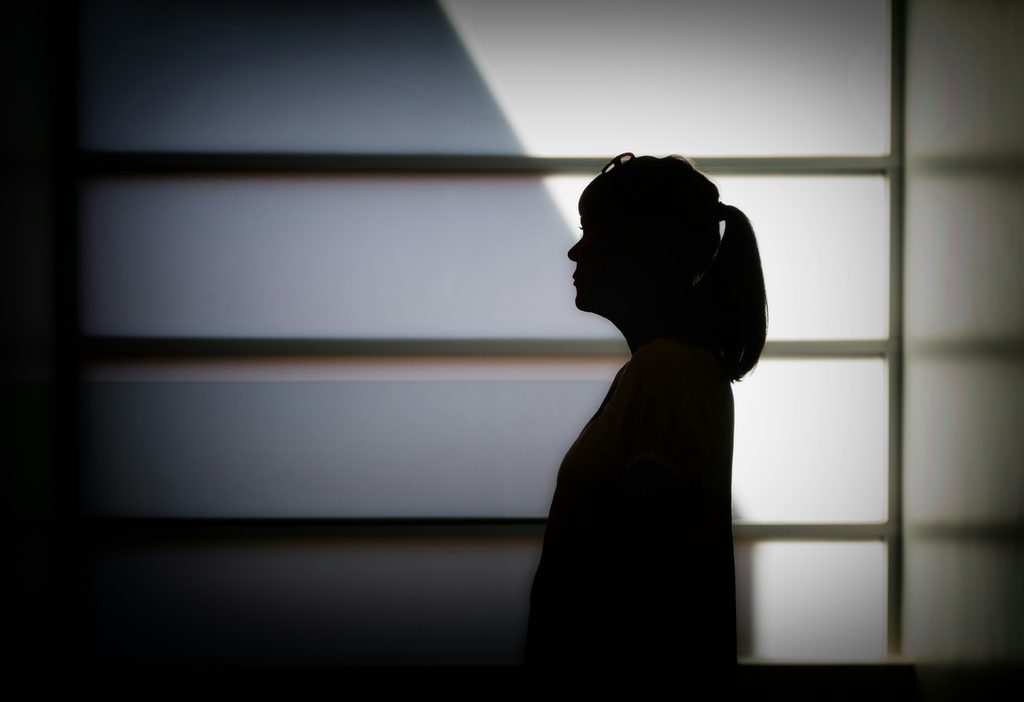
Is staying silent a choice, or a trap?
Sometimes it is a choice, and a legitimate one. Not everyone wants to be visible, and knowing yourself is not the same as being seen. But there is also a humility trap, and it usually sounds like this: “I don’t say much because I don’t want to brag.”
Very often the same people who stay silent tell me, almost in the same breath, that they are frustrated at not being recognised for what they could contribute. They are not known for what they want to be known for, and they can see the waste it represents: real solutions to real problems going unfunded, or not properly governed, because the right voices never reached the right people. If the silence were the free choice it claims to be, it would not come with that frustration attached.
None of this is about social media fame, about online versus offline, or about self-absorption. Telling your story is part of the duty that comes with expertise, or with being an excellent generalist, rather than a betrayal of it.
What does the silence cost everyone else?
The cost is enormous, and it is easy to miss because it is made of things that did not happen. Someone may feel they are doing the right thing by not engaging with a discourse they find counterproductive, or feel helpless in the face of an overwhelmingly negative conversation, but the silence does not help. Who we listen to shapes how we govern, where capital flows, how we answer humanitarian crises, whether the planet holds, and whether the next generation gets a fair chance.
The people looking for real solutions, the next generation above all, need different thinking to step up in every field, from science to business to the creative industries. We cannot keep running on the same handful of loud voices and the same decades-old theories, because they will not carry us into the next chapter. What we need are better systems, new terms and a real openness to inventiveness, and none of it reaches anyone while the people capable of it keep their counsel.
Why speak if someone louder has already said it?
The reason people give me most often for holding back is not that they feel small next to the big platforms. It is that once one of the big voices has covered a topic, there seems to be no point in adding their own perspective. That reasoning treats an idea as if it were the same thing whoever says it, and it is not, because it matters who the voice belongs to. Two people can tell you exactly the same thing and you will believe one and not the other. The same argument from someone who has lived it, in another place, another industry or another tradition, reaches people the louder version never will.
Two people can tell you exactly the same thing and you will believe one and not the other.
That is why a diversity of voices and sources is more than a matter of representation. Being able to choose whom you listen to, from a real range of people, should be a human right, and that choice only exists if the people with something to say keep saying it, even when someone louder got there first.
Being able to choose whom you listen to, from a real range of people, should be a human right
None of this requires matching anyone’s scale. Real influence looks more like inviting three people to dinner and having each of them leave with a new idea. What works is finding the spaces and formats that fit you, and telling your story through them consistently, as part of how you work day to day and independent of any particular channel. For one person that is a column or a podcast, for another a single well-chosen talk each year, a board seat, or a habit of writing up what they have learned. Being findable matters more than being everywhere, and the right balance is different for each person.
What would it take to bring wisdom to the fore?
Part of the answer is making sure the right, trustworthy voices emerge, past their own doubts about why they have not done it already. Wisdom is not as scarce as it seems; we are just not listening to the right people, or to enough different people. Even in the age of artificial intelligence, wisdom should still be the ambition, and the question worth asking yourself is a simple one: are you known for what you want to be known for?
Enjoyed this? Subscribe to Our Voice for the next piece in this series.


